
Government
St. Paul City Council president moving to Ramsey County Board of Commissioners
By Katherine Langford
Advertisement · Why this ad?
Marcus manages the day-to-day editorial workflow across all brands, coordinating coverage assignments and ensuring editorial standards are met. He previously served as city editor at the Pioneer Press and holds a degree in Political Science from Carleton College.
More from Marcus →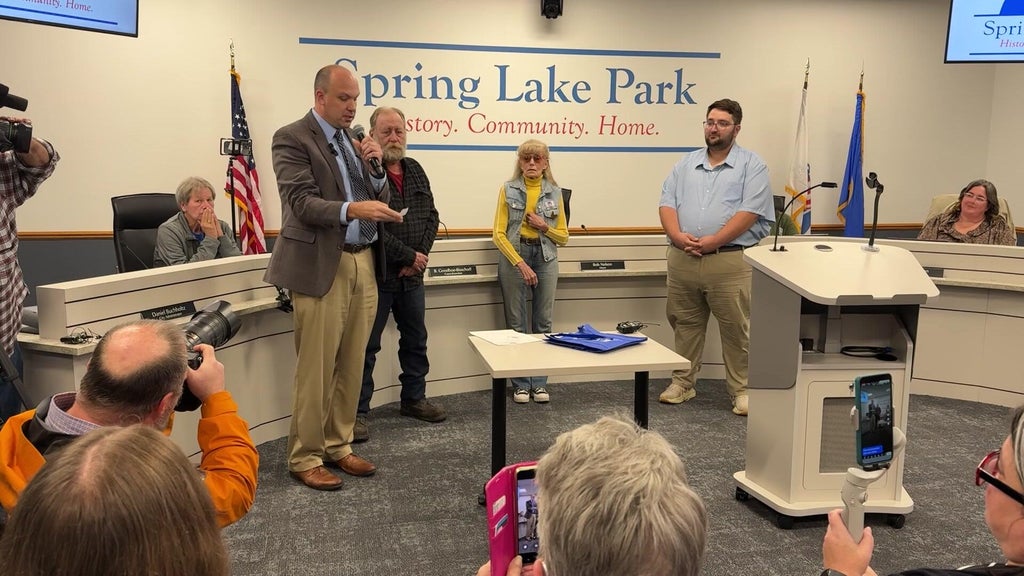
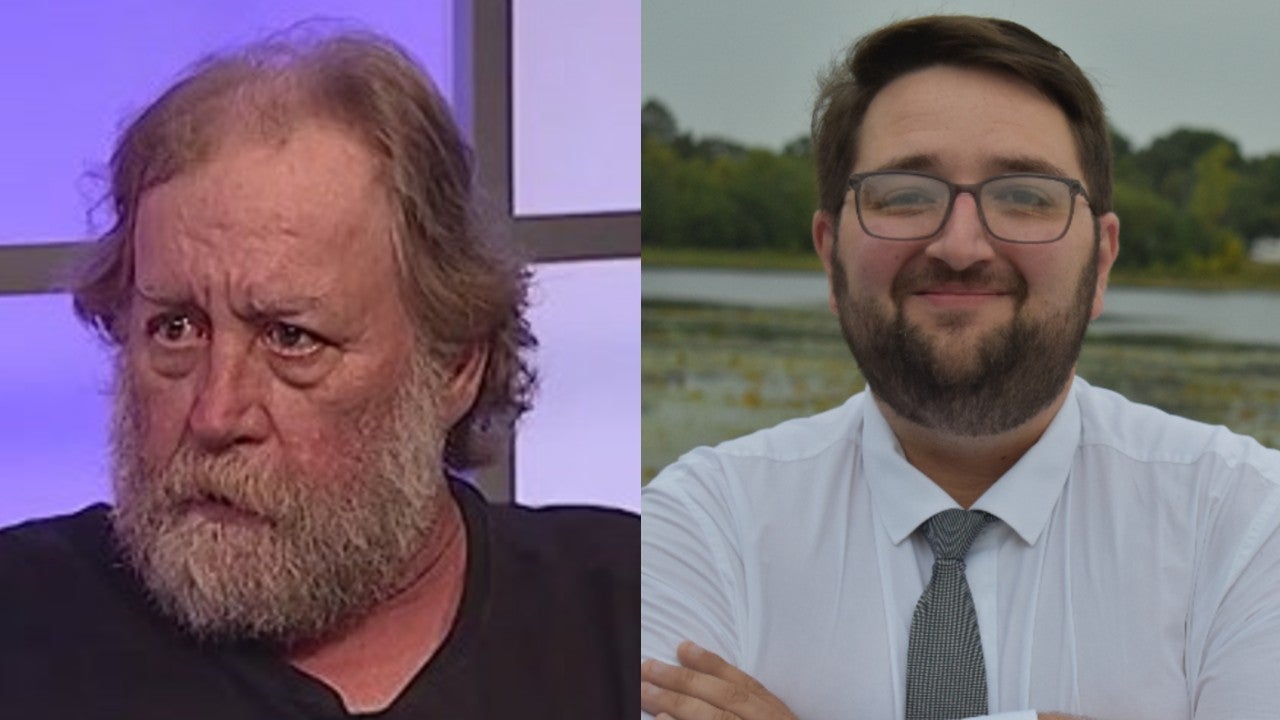
The fate of Spring Lake Park’s mayoral leadership hung not on policy debates or campaign promises, but on a random drawing Monday evening, after incumbent Bob Nelson and challenger Halyn Roth finished with an identical vote total of 1,401. The unusual outcome, triggered by Minnesota state law, underscores a quirk in the state’s election code and leaves the community wondering if a recount will be necessary. The drawing, held at Spring Lake Park City Hall, saw Council member Barbara Goodboe-Bisschoff select Nelson’s name from a bag containing the candidates’ names, securing his continued tenure as mayor – for now.
The deadlock in the Nov. 3 election is a rare occurrence, prompting a process outlined in Minnesota statutes to resolve tied municipal races. According to state law, when an election ends in a perfect tie, the winner is determined by a random drawing. This method, while legally mandated, has drawn criticism for its seeming arbitrariness. The 13 write-in votes cast added to the unusual nature of the election results, further highlighting the razor-thin margin between the two candidates. Nelson first became mayor in 2006 and was re-elected in 2019, serving the community for nearly two decades. Roth, a relative newcomer to Spring Lake Park, having resided in the city since 2020, ran on a platform of increased transparency and promised to change the city's transparency.
The drawing itself was a brief affair. City Administrator Daniel Buchholtz placed each candidate’s name in separate canisters, then combined them into a bag. Council member Goodboe-Bisschoff then drew Nelson’s name, officially declaring him the victor. While Nelson acknowledged the legal requirement, he expressed reservations about the process. “This seems like it’s something from the 1800s, and now we’re in 2026, so I just feel there's room for improvement,” Nelson stated. He indicated a preference for a runoff election, a proposal deemed too costly by City Administrator Buchholtz, who estimated such an election would cost the city $30,000. Roth, while acknowledging the fairness of the process, urged frustrated residents to contact their state legislators if they wish to see the law changed.
The debate over the expense of a runoff election highlights a tension between ensuring democratic representation and managing public funds. While proponents argue that a runoff provides a more definitive expression of voter preference, the financial burden on taxpayers is a significant consideration, particularly in smaller communities like Spring Lake Park. The current system, relying on a random drawing, offers a seemingly inexpensive solution, but at the cost of potentially undermining public confidence in the fairness and legitimacy of the election outcome. The decision to stick with the drawing underscores the difficult choices local governments face in balancing competing priorities.
Despite losing the drawing, Roth maintained a measured tone, emphasizing the fairness of the process while acknowledging the frustration felt by many. “It was fair as far as it could be. I can't imagine any other way that we could have done it,” Roth said. He urged frustrated residents to contact their state legislators and ask them to change the law. “I know there's a lot of folks who were frustrated by this process, and all I can say is if you want it to change, call your state legislators and ask them to change it.” Roth has indicated his intention to file paperwork seeking a recount. “Recounts, you never know. Sometimes they'll find one or two votes here or there,” Roth commented. The recount is scheduled for Nov. 17 at the Anoka County Courthouse.
The unusual resolution has sparked a range of reactions within Spring Lake Park. While some residents expressed amusement at the sheer oddity of the situation, others voiced concerns about the legitimacy of an election decided by chance. The close margin and the subsequent drawing have undoubtedly created a sense of division within the community, highlighting the need for reconciliation and unity moving forward. Roth’s call for residents to contact their state legislators underscores the potential for broader reform of Minnesota’s election laws, a conversation that is likely to intensify in the coming weeks. Minnesota House of Representatives is responsible for drafting and passing legislation.
The Spring Lake Park mayoral election serves as a stark reminder of the fragility of democratic processes and the importance of thoughtful election law. While the random drawing may be legally compliant, it’s difficult to argue it’s a satisfying way to determine who leads a community. The fact that a $30,000 cost is enough to prevent a runoff election speaks volumes about the priorities of local government, and perhaps a lack of investment in ensuring the most representative outcome. What’s most concerning is the potential for this situation to erode public trust. Regardless of who ultimately holds the office, it’s crucial that leaders prioritize healing the divisions exposed by this election and engaging in a serious conversation about reforming our election laws—not just in Spring Lake Park, but statewide.
The immediate focus shifts to the recount scheduled for Nov. 17 at the Anoka County Courthouse. If the recount confirms the original results – a tie – Nelson will remain mayor, having won the initial drawing. However, if the recount reveals a different outcome, Roth would assume the mayoral position. Anoka County provides information about the recount process. Beyond the recount, the incident is likely to prompt a broader discussion about Minnesota’s election laws and whether the current system adequately serves the needs of its citizens. The Minnesota Secretary of State's office oversees state elections and may consider reforms in light of this unusual event. Residents interested in participating in the conversation should contact their elected officials and engage in constructive dialogue about improving the integrity and fairness of the electoral process.
For more information on Spring Lake Park government, visit Spring Lake Park City Website. To learn more about Minnesota elections, visit the Minnesota Secretary of State’s Elections & Voting page. Anoka County provides resources for residents. Nelson's campaign focused on public safety and keeping property taxes low, according to a biography provided to North Metro TV.
By Katherine Langford

By Marcus Chen
By Marcus Chen

By Katherine Langford